
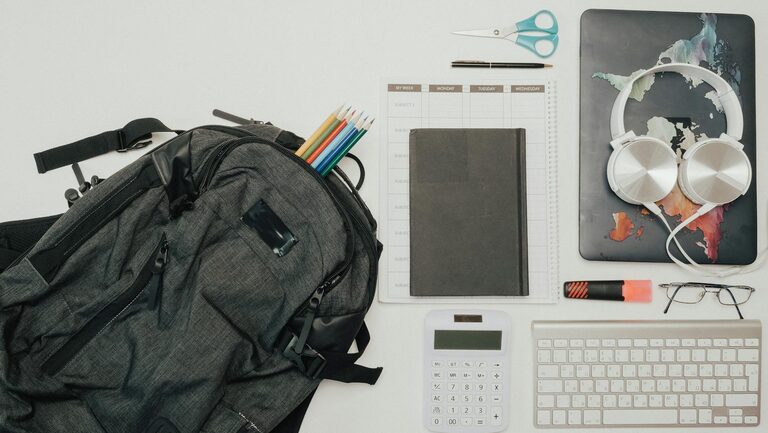
Choosing the right notebook might seem like a small decision, but it can significantly impact how often you use it and how productive you feel. Whether you want a space for jotting down ideas, planning your day, or capturing creative inspirations, picking a notebook that suits your needs and preferences is key to turning it into a reliable tool rather than a forgotten item.
In this guide, we’ll walk you through important factors to consider when choosing a notebook, so you end up with one you’ll actually use—and enjoy using.
Understand Your Purpose
Before browsing styles and pages, take a moment to define how you’ll use your notebook. Ask yourself:
– Will it be for daily to-do lists or long journaling sessions?
– Do you prefer writing, drawing, or a mix of both?
– Do you need it for work, study, or personal projects?
Knowing the primary purpose helps narrow down what type of notebook suits you.
Common Notebook Uses
– Note-taking: Requires a simple, light, and portable notebook.
– Bullet journaling: May benefit from dotted or grid pages.
– Sketching or mixed media: Look for thick or specialty paper.
– Planning and organizing: A notebook with dated layouts or built-in calendars can help.
Choose the Right Size
Notebooks come in various sizes, from pocket-sized to large sketchbooks. Size affects portability, comfort, and capacity.
– Pocket-sized (A6 or smaller): Easy to carry everywhere, ideal for quick notes on the go.
– Medium size (A5 or similar): Balanced choice—compact yet roomy.
– Large (A4 or bigger): Good for extensive notes, sketches, or detailed plans, but less portable.
Think about where and how you’ll mostly use the notebook.
Page Layout and Paper Type Matter
The style of pages can influence how comfortable and organized your writing feels.
Common Page Formats
– Lined: Best for writing and note-taking.
– Dotted: Great for bullet journaling and flexible layouts.
– Blank: Perfect for sketches and freeform notes.
– Grid: Helpful for graphs, charts, or precise layouts.
Paper Weight and Quality
Paper thickness is measured in grams per square meter (gsm). Typical notebook paper ranges from 70 gsm (thin) to 120+ gsm (thick).
– Thick paper prevents ink from bleeding through.
– Smooth paper enhances writing comfort.
– If you use markers or fountain pens, consider a heavier, higher-quality paper.
Consider the Binding and Cover
Binding affects durability and how the notebook opens.
– Spiral-bound: Opens flat and easy to flip pages but can be bulky.
– Thread-bound (stitched): Usually more durable and lies fairly flat.
– Glue-bound: Sleek but may not open flat easily.
Cover Options
– Hardcover: Durable and protective, suitable for frequent use.
– Softcover: Lightweight and flexible, but less protective.
– Leather or faux leather: Offers a classy look and durability, often pricier.
Choose a cover that matches how you’ll handle and transport the notebook.
Features to Enhance Usability
Look for added features that make your notebook enjoyable and practical.
– Page numbers: Helpful for indexing or referencing.
– Bookmarks or ribbons: Easy to mark your current page.
– Elastic band closure: Keeps the notebook closed and protected.
– Pockets or folders: Great for storing loose papers or notes.
– Perforated pages: Allows for easy removal.
Set a Realistic Budget
Notebooks come in a wide price range. Decide how much you’re willing to spend based on your expected frequency of use and quality preferences.
– Higher-quality paper and binding tend to cost more but can be worth the investment.
– Affordable options are fine for casual use or short-term projects.
Test Before You Commit
If possible, try writing in a few notebooks to get a feel for the paper texture, size, and weight. Many stationery shops have display copies you can sample.
Tips to Make Your Notebook a Habit
Buying the right notebook helps, but building a habit of using it regularly matters most.
– Keep your notebook somewhere visible and accessible.
– Set a daily or weekly routine to write or plan.
– Personalize it with stickers, drawings, or notes to make it inviting.
– Don’t worry about perfection—just use it for your benefit.
—
Choosing a notebook that fits your lifestyle and preferences can inspire you to keep creating, planning, and organizing. By considering purpose, size, page layout, binding, and extra features, you’ll find a notebook that feels right and motivates consistent use. Happy writing!